Various types of loads are considered for design of bridge structures. These loads and their combinations decides the safety of the bridge construction during its use under all circumstances.
The design loads should be considered properly for perfect design of bridge. Different design loads acting on bridges are explained below.
Civil engineers and Architects both of whom made up of the world of the building construction spend four to seven years in the institution being persuaded that if they solve the technical problems properly they will be rewarded with high grades.
Not surprisingly, when they get to work, many civil engineers and architects still expect that all they have to do to succeed is to apply effectively the technical and analytical skills they have been taught to the engineering and the designing assignments given to them. This is necessary, but not sufficient.
Culvert is a tunnel structure constructed under roadways or railways to provide cross drainage or to take electrical or other cables from one side to another for a sustainable road use. The culvert system is totally enclosed by soil or ground walls' cover.
There are various types of cement used in concrete construction. Each type of cement has its own properties, uses and advantages based on composition materials used during its manufacture.
Different types of pipes are used for underground drains construction. The properties of these pipes and type of drainage required decides the selection of pipes. Underground drain pipes are subjected to various types of chemical and physical attacks, so these must be kept in mind during their selection.
Shoring is the construction of a temporary structure to support temporarily an unsafe structure. These support walls laterally. Shoring can be used when walls bulge out, when walls crack due to unequal settlement of foundation and repairs are to be carried out to the cracked wall, when an adjacent structure needs pulling down, when openings are to be newly made or enlarged in a wall.
The structure of soil is formed by the geometrical arrangement of soil particles with respect to each other. Different soils contain different structures and each structure gives us the properties of particular soil.
Types of Soil Structures
There are six different types of soil structures and they are as follows.
Various types of concrete construction requires different concrete mixes for its construction. The recommended value of these concrete mixes for each variables of construction is presented in table below:
Table: Recommended mixes for Different Concrete of Construction for one cement bag by batch
In case you decide to do it yourself (DIY) or you desired to install a ceramic pool yourself; get a detailed documentation from a construction company or experts.
The construction of a concrete DIY swimming pool is not the simplest of tasks, but you can do it yourself without too much difficulty. In order to build a pool, you need to identify the purpose of the swimming bowl and where it will be installed, and choose the right equipment so that the price and quality are compatible with your financial capabilities.
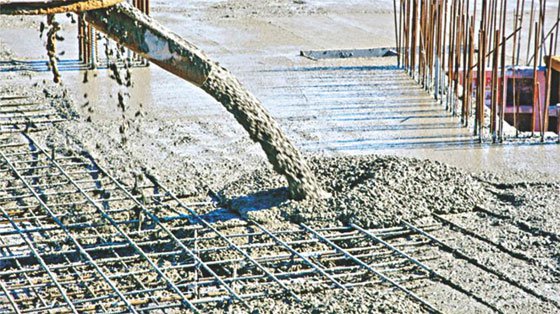
The concrete is manufactured by using cement, sand, gravel and water as the main components materials.
The active material in concrete is cement which binds other materials physically and chemically with water and solidifies. Sometimes admixtures are used in concrete to enhance its properties.
Criteria for selecting a foundation types for buildings depend on two factors i.e. factors related to ground (soil) conditions and factors related to loads bearing capacity from the superstructure that is to be sat on the foundation.
Considering the expense of a building collapsing in our so called urbanized modern society today due to engineering failures and buildings' designs complications in today's contemporary civil construction engineering practice.
It is imperative that we put into perspectives this very important key aspect of our house building called substructure which is commonly known as the foundation into review.
The type of foundation your building requires depends on many variables: soil type, building load( both dead and living load), environmental factors such as heavy duty vibrating substances and to name but a few.


 The design loads should be considered properly for perfect design of bridge. Different design loads acting on bridges are explained below.




 The active material in concrete is cement which binds other materials physically and chemically with water and solidifies. Sometimes admixtures are used in concrete to enhance its properties.


